Digital Operational Excellence

with AI & Emerging Technology

Digital Operational Excellence

with AI & Emerging Technology

Starting June 5, 2026 | 8 weekends | 7 modules | 100+ hoursof training

since June 5, 2026

Achievingoperational excellence by contaminating structured process optimization methodologies with emerging technologies. You understand and experience how Digital Transformation, can be ensured in practice through the use of emerging technologies and how to create a culture ready to embrace it and make it sustainable over time.This is the perfect training course for Managers and Executives who want to anticipate the signs of change and meet the challenges of the future. Disruptive changes are shaping the contexts of industry and services, giving rise to new professions, requiring skills that did not exist until recently.In this scenario, the technology becomes a valuable ally in addressing increasingly complex challenges and to build resilient companies capable of generating value. The adoption of technologies such as AI, Process Mining, Intelligent Automation, Robotics and Big Data, can bring a crucial competitive advantage, enabling them to achieve operational excellence effectively and sustainably.

SUPER EARLY BIRD ENDED
6.990 €
EARLY BIRD
7.450 €
FULL PRICE
7.980 €

For companies, the price does not include VAT.
The EARLY BIRD rate applies to the 6th through 10th registrants.

Admission process

1

CANDIDATES

Click on the "APPLY" button and complete the application form by answering a few questions

2

COLLOQUY

Book and take an online selection interview with an Orientation and Admission expert

3

OUTCOME

Once you have passed the evaluation of the scientific committee, you can embark on your journey in H-FARM

Admission process

1.

APPLY: Click on "apply," fill out the online form, and submit your application.

2.

SUPPORT THE INTERVIEW: Participate in an online interview with the Orientation & Admission team

3.

FIND OUT THE RESULT: Receive the selection result and start your journey at H-FARM.

The program

The primary objective of the Master’s in Digital Operational Excellence is to equip participants with the skills needed to drive operational excellence ona global scale, leveragingemerging technologies andartificial intelligence.

1: The Connected and Exponential Era.

Objective:The module is designed to provide a deep understanding of the dynamics governing the exponential era. The goal is to analyze how frontier technologies, driven by Artificial Intelligence, are rewriting the rules of global competition, transforming traditional business models into agile, scalable ecosystems deeply centered on the evolution of the modern consumer.

Main contents:

  • Navigating the Exponential Age: Introduction to the drivers of the digital revolution and the laws governing accelerated market growth. We will understand why linear thinking is no longer sufficient to compete today.

  • AI as a Strategic Driver: An in-depth look at the operational applications of Artificial Intelligence along the customer journey. We will see how AI can personalize the customer experience and optimize every touchpoint of the brand.

  • Technological Frontiers: Technical and strategic exploration of machine learning, deep learning, and high-impact emerging technologies, such as voice cloning and autonomous systems, assessing their potential and ethical implications.

  • Gen Z and New Consumption Paradigms: Study of the purchasing behaviors of the new generations. How to adapt the company's offering and language to a digitally native target audience that demands authenticity, speed, and clear values.

  • Competitive Strategies and Case Studies: Critical examination of successful (and unsuccessful) business cases to extract winning models to be applied in the context of exponential markets.

2: Fast Continuous Improvement

Objective:The module is designed to introduce participants to the most advanced methodologies and technologies for continuous improvement, with a specific focus on speed and efficiency of implementation. The goal is to provide an integrated vision that combines traditional optimization frameworks with the new frontiers of automation, enabling the transformation of business processes into agile systems capable of self-correction and constant evolution toward operational excellence.

Main contents:

  • Operational Excellence Systems: Analysis of the pillars of Lean Manufacturing, Six Sigma, World Class Manufacturing (WCM), and Quality Management. We will see how these models, which originated in industry, are now applied to every area of business to eliminate waste and maximize value.

  • DMAIC Framework for Problem Solving: In-depth study of the Define, Measure, Analyze, Improve, and Control phases. We will learn how to use this structured approach to guide data-driven improvement projects, ensuring measurable and sustainable results over time.

  • Customer-Centricity with the KANO Approach: Introduction to the Kano model for decoding customer needs. We will understand how to distinguish between basic attributes, performance attributes, and "delighters" in order to prioritize innovations that generate the greatest impact on customer satisfaction.

  • Enabling Technologies: AI and Hyperautomation: Exploring technologies that empower continuous improvement. We will analyze the role of Artificial Intelligence, Process Mining for automatic flow mapping, Hyperautomation, and Robotics (RPA) in reducing operating times.

  • Evolution of Lean 4.0: Analysis of how Lean principles are evolving thanks to digital technology. Through case studies and practical exercises, we will see how the integration of automation and lean methodologies creates organizations capable of reacting in real time to market flows.


3: Process Priority Assessment (PPA) & Lean Six Sigma Role Play

Objective:The module is designed to provide the analytical tools necessary to objectively evaluate organizational performance and guide continuous improvement. The goal is to equip participants with a rigorous methodology for identifying inefficiencies and transforming business processes into strategic assets, ensuring that every optimization effort is directly linked to the organization's growth objectives and value creation.

Main contents:

    • Process Priority Assessment (PPA) Methodology: Study of the PPA approach to map and critically analyze existing processes. We will learn how to measure current performance against industry benchmarks to identify priority areas for improvement.

    • Strategic Prioritization of Initiatives: Analysis of criteria for prioritizing improvement projects. We will examine how to align operational initiatives with strategic business drivers, ensuring that resources are focused on the changes with the greatest impact.

    • Key Performance Indicators (KPIs) and Impact Assessment: Defining clear metrics to monitor the success of processes. We will understand how to assess the effectiveness of the transformations implemented and how they influence the resilience and scalability of the entire organizational system.


4: Technologies for Data Analysis and Process Execution

Objective:The module is designed to explore the ecosystem of advanced technologies that enable data to be transformed into concrete actions and manual processes into automated and intelligent flows. The goal is to analyze how the integration of monitoring, analysis, and automation systems enables organizations to achieve a higher level of efficiency, ensuring timely decisions and flawless operational execution through the strategic use of Artificial Intelligence and the Cloud.

Main contents:

  • Intelligent Automation & iBPM: Study of the evolution of Business Process Management towards intelligent systems (iBPM) and the integration of Robotic Process Automation (RPA). We will see how to automate repetitive and complex tasks to free up human potential.

  • BPMN and Flow Design: Learning the Business Process Model and Notation (BPMN) standard for modeling and designing business processes, ensuring clarity and interoperability between business and IT.

  • Operational Enablers (IoT & Cloud): Analysis of the role of the Internet of Things and Cloud Computing as fundamental infrastructures for real-time data collection and the scalability of digital processes.

  • Process Mining and Execution Management: Using Process Mining techniques to discover, monitor, and improve real processes by extracting knowledge from information system logs (EMS).

  • Simulation and Digital Twin: In-depth analysis of the use of digital twins to create virtual replicas of business processes, allowing the impact of new technologies or organizational changes to be simulated before go-live.

  • GenAI for Knowledge Management: Exploring Generative Artificial Intelligence as a tool for managing and enhancing corporate information assets, facilitating rapid access to complex procedures and insights.

5: AI in Operations

Objective:The module aims to provide the methodological and technological tools to design Artificial Intelligence solutions aimed at operational excellence. Participants will learn to integrate AI not only as a technical tool, but as a strategic lever to redesign business processes, automate complex flows, and dramatically increase organizational efficiency.

Main contents:

  • AI-Driven Operational Priorities: Analysis of the impact of Artificial Intelligence on defining business priorities. We will see how predictive and prescriptive algorithms can guide management in the optimal allocation of resources.

  • AI-Guided Transformation Roadmap: Defining a structured path for adopting AI in your company. From assessing digital maturity to building an evolutionary roadmap that ensures a smooth and sustainable transition to business models enhanced by artificial intelligence.

6: New Technologies Applied to Operations

Objective: The module aims to provide participants with the strategic and technical skills to manage the digital transformation of operations. Through the analysis of emerging technologies and new operating paradigms, the course prepares future leaders to transform the value chain into an agile, data-driven, and resilient ecosystem capable of responding in real time to the challenges of an unpredictable global market.

Main contents:

  • The Digital Revolution in Operations: Analysis of how digitization is surpassing traditional models, enabling end-to-end visibility and granular operational control in real time.

  • Data Architectures and Enabling Platforms: Study of the technological infrastructures needed to manage Big Data. We will learn how to collect, process, and analyze massive flows of information to support rapid and responsive decision-making processes.

  • The Digital Twin Paradigm: Theoretical and practical insights into the creation of virtual replicas of physical processes, products, and systems to connect the real and digital worlds.

  • Simulation and Risk Management: Using "digital twins" as a safe testing environment. We will see how to simulate complex scenarios and test operational hypotheses to assess the organizational impact of decisions, optimizing performance and minimizing risks before physical implementation.

7: Change management & Leadership of change

Objective:The module aims to develop the human skills necessary to guide organizations through the complexity of digital transformation. The goal is to train leaders capable of inspiring confidence in volatile contexts, transforming natural resistance to change into a driving force for innovation and cultural evolution within the company.

Main contents

  • Leadership 4.0: Leading Through Uncertainty: Exploring the new leadership models needed in the age of AI. We will analyze how to move from command and control to servant leadership, promoting agility, empathy, and the ability to make decisions based on data and intuition.

  • Psychology of Change and Resistance Management: Study of the cognitive and emotional mechanisms that generate inertia in organizations. We will learn how to map stakeholders and build effective communication strategies to mitigate conflicts and promote acceptance of new technologies.

  • Transformation Governance: Practical methodologies for managing the change management lifecycle. From creating a sense of urgency to consolidating new operating standards, ensuring that digital transformation is sustainable in the long term.

  • Culture of Continuous Learning: How to build a "psychologically safe" work environment where mistakes are seen as learning opportunities and constant upskilling/reskilling becomes an integral part of the corporate identity.

After completing the Master's program, you will know

Designing and managing operations by integrating strategy, processes, and digital technologies to improve business efficiency and performance.

Driving the digital transformation of operations, leveraging emerging technologies such as AI, process mining, automation, and advanced analytics.

Optimize and reengineer end-to-end processes, applying best practices in Continuous Improvement and Operational Excellence.

Manage complex transformation projects, integrating project management methodologies with advanced digital tools.

Develop effective leadership capable of guiding multidisciplinary teams, promoting change, and creating a results-oriented culture.

Translating innovation into business value, improving competitiveness, sustainability, and resilience of the organization.

Who we are looking for

Chief Operations Officers who want to lead the digital transformation of operations and strengthen strategic and technological skills.

Head of Continuous Improvement focused on integrating technology and continuous improvement to achieve operational excellence.

Head of Process Re-engineering & Automation interested in applying AI, Process Mining, and automation to drive process re-engineering.

Heads of Project Management Offices who want to integrate project management and digital technologies to drive transformation projects.

Operations & Supply Chain Managers focused on efficiency, cost reduction, and supply chain optimization through emerging technologies.

Management Consultants who want to strengthen their skills in digital transformation and operational excellence.

The method

The Master’s in Digital Operational Excellence combines theoretical learningwith hands-on experience andreal-world projects, thanks to the support ofentrepreneurs andmentorsactive in the leading process innovation ecosystems.

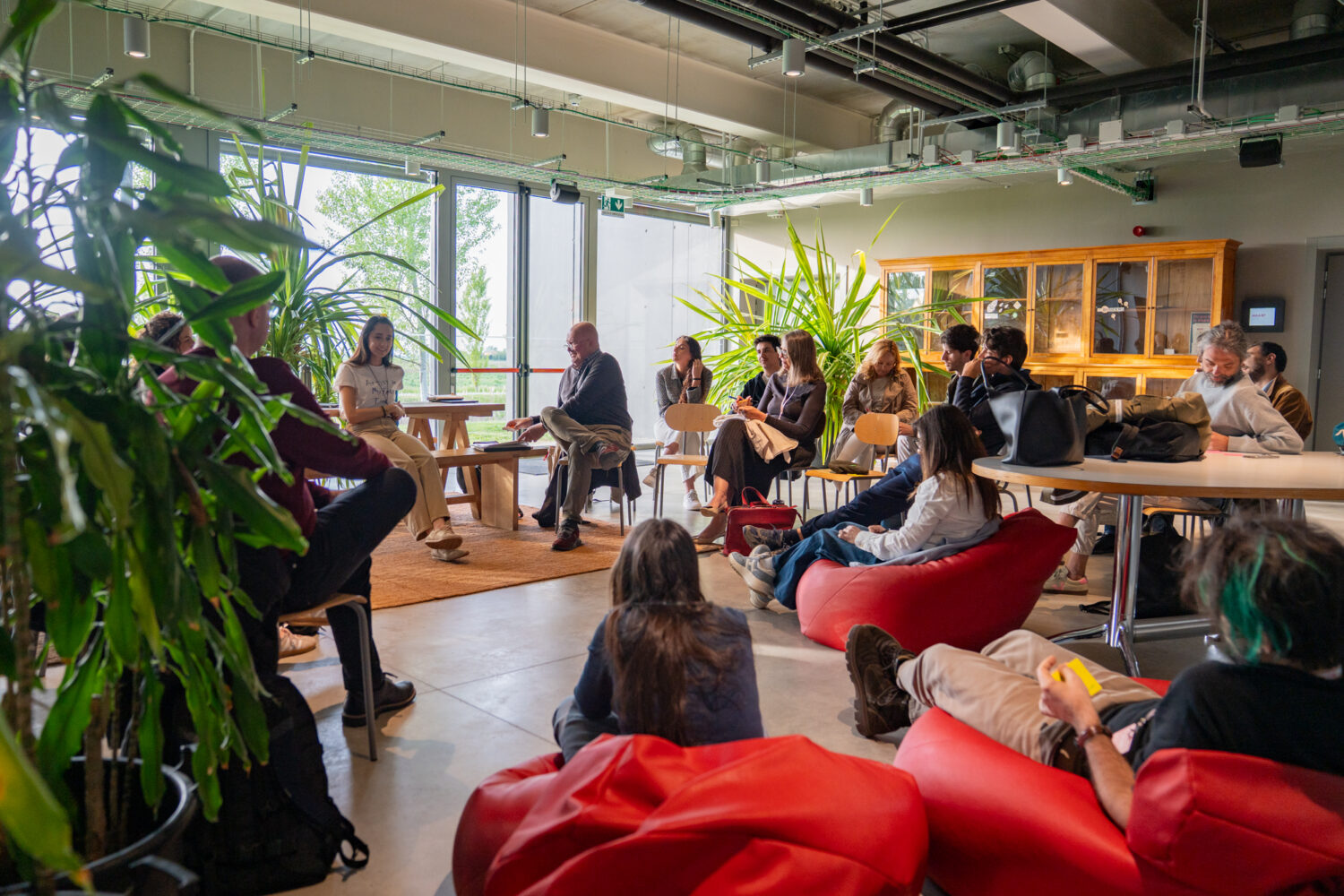
Real learning takes place in dynamic contexts, where you experiment and grow together. Through group activities, workshops, activities aimed at your professional empowerment, and continuous interaction with your classmates and partners in our network, you will discover the power of "learning by doing,"develop your entrepreneurial and interpersonal skills, and be constantly stimulated to transform your ideas into concrete projects, with the goal of building a successful career.

The project work

The master's program culminates in a project work in which you will apply the skills you have acquired to solve areal case of operational transformation. Working in teams and guided by mentors, you will tackle a real challenge of Digital Operational Excellence, developing an intervention roadmap based on data, technologies, and strategic objectives. The project work aims to consolidate the methodologies learned,from process mining to generative AI, from Lean to portfolio management,generating concrete and measurable value. At the end, the teams will present their projects to a jury composed of managers, executives, and corporate stakeholders.


0
WEEKEND
0
MODULES
0+
TRAINING HOURS
0
FINAL BOOTCAMP
0+
PROFESSIONALS

Learning Experience

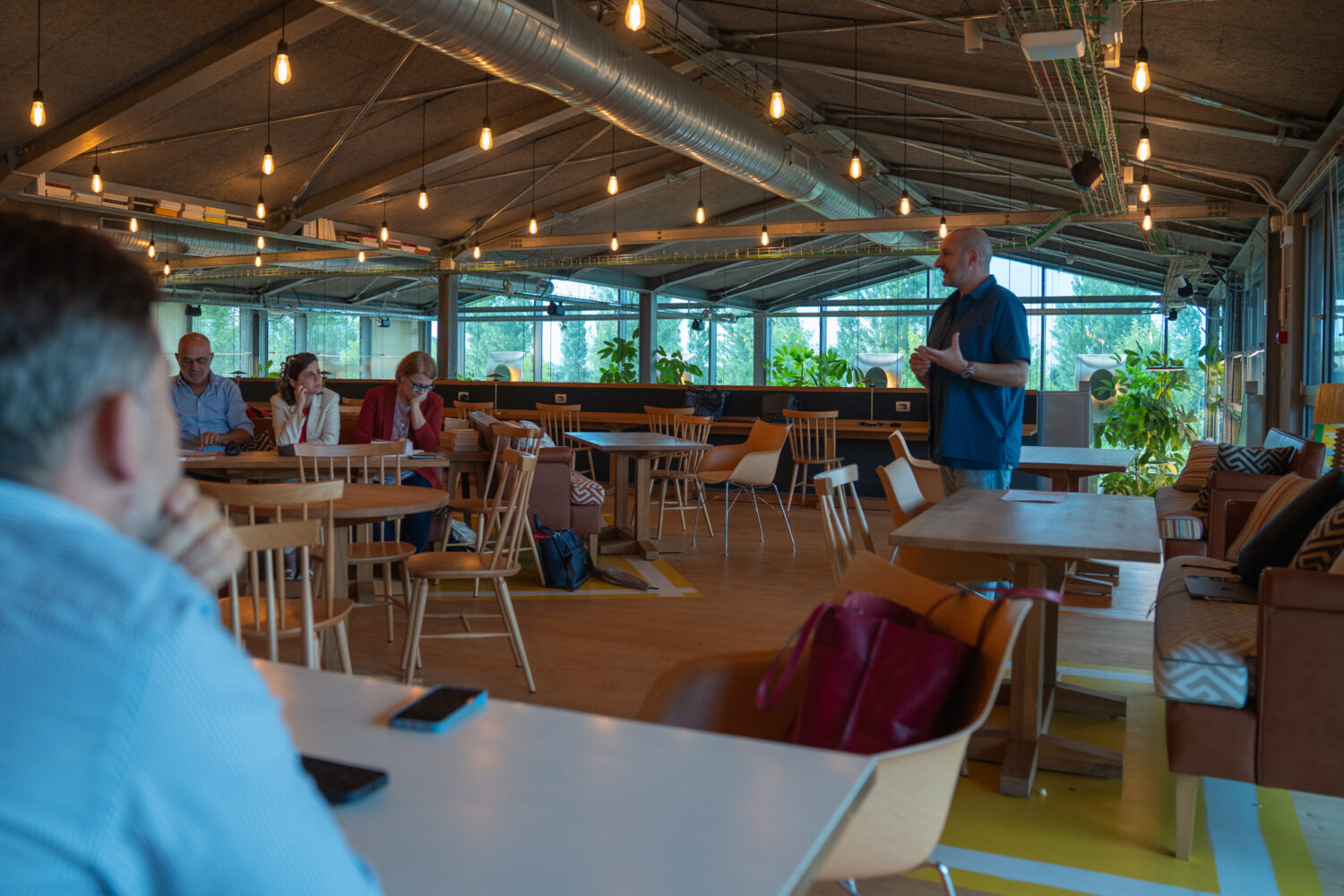
Our program isn’t based on traditional lectures.
At H-FARM Business School, learning is continuous and integrated; we design comprehensive educational experiences to help you achieve your goals and foster collaboration, networking, and personal growth.

Late Night
's "Golden Hour" Speech

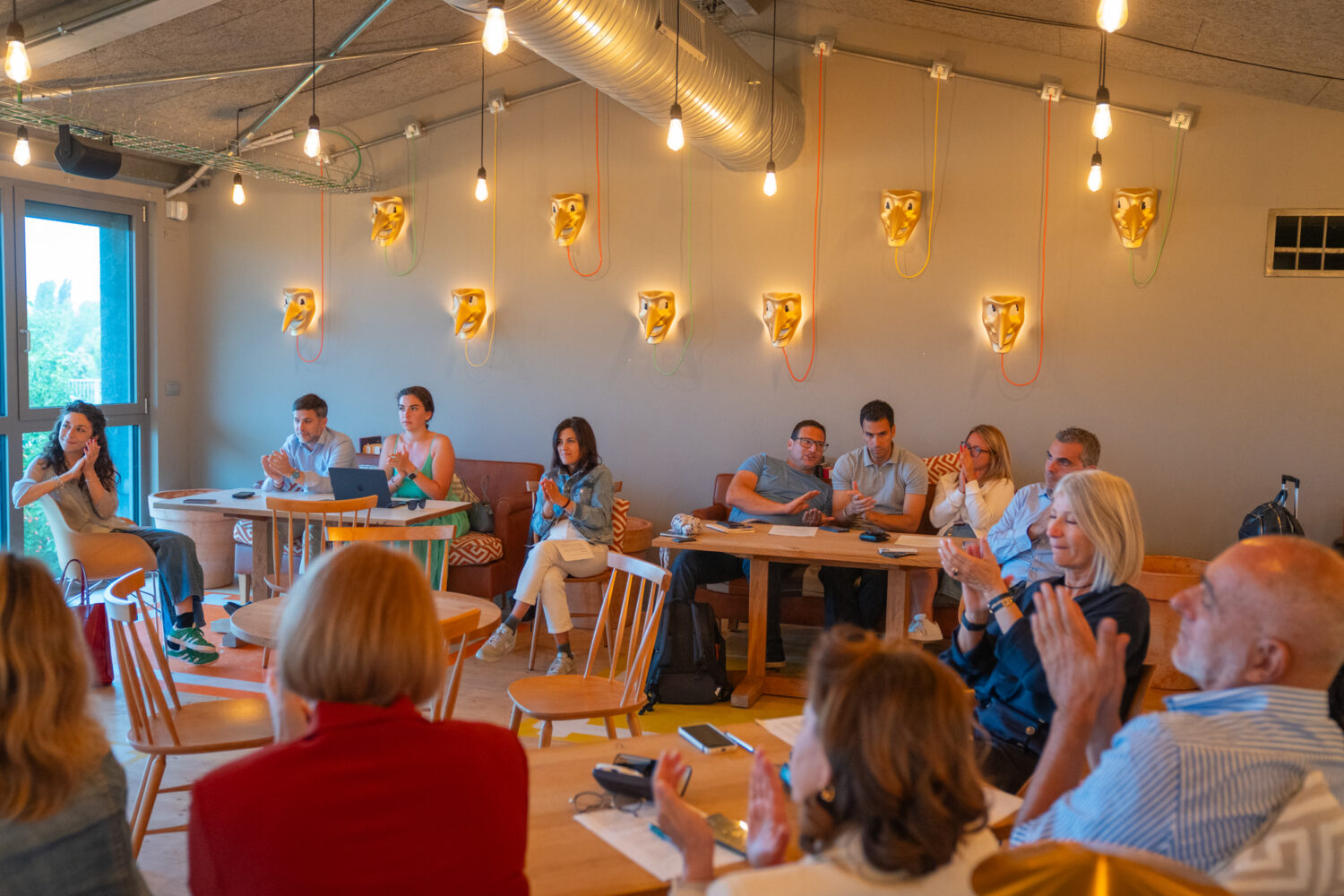
In informal settings after class, you’ll have the opportunity to interact with professionals and managers in the operations sector who are grappling with real-world challenges on a daily basis, allowing you to expand your network and create opportunities for discussion and networking.

Business cases integrated into the program

The program is not a dry list of academic concepts, but rather a continuous exploration of real-world, practical business cases from the world of operations—covering both products and services.


Project Work & Final Presentation

The program includes group or individual project work in collaboration with a partner company, allowing you to apply the concepts learned in class, with the support of a tutor who will guide you throughout the program. 


Learning Experience

Our program isn’t based on traditional lectures.
At H-FARM Business School, learning is continuous and integrated; we design comprehensive educational experiences to help you achieve your goals and foster collaboration, networking, and personal growth.

Late Night
's "Golden Hour" Speech

After class, in informal settings, you can interact with industry professionals to expand your network and create opportunities for exchange and networking.

Business cases integrated into the program

The course is not a dry list of academic concepts, but rather a continuous exploration of real-world business cases.

Project Work & Final Presentation

Many courses, especially the longer ones, include group projects that allow students to apply what they have learned in class. 

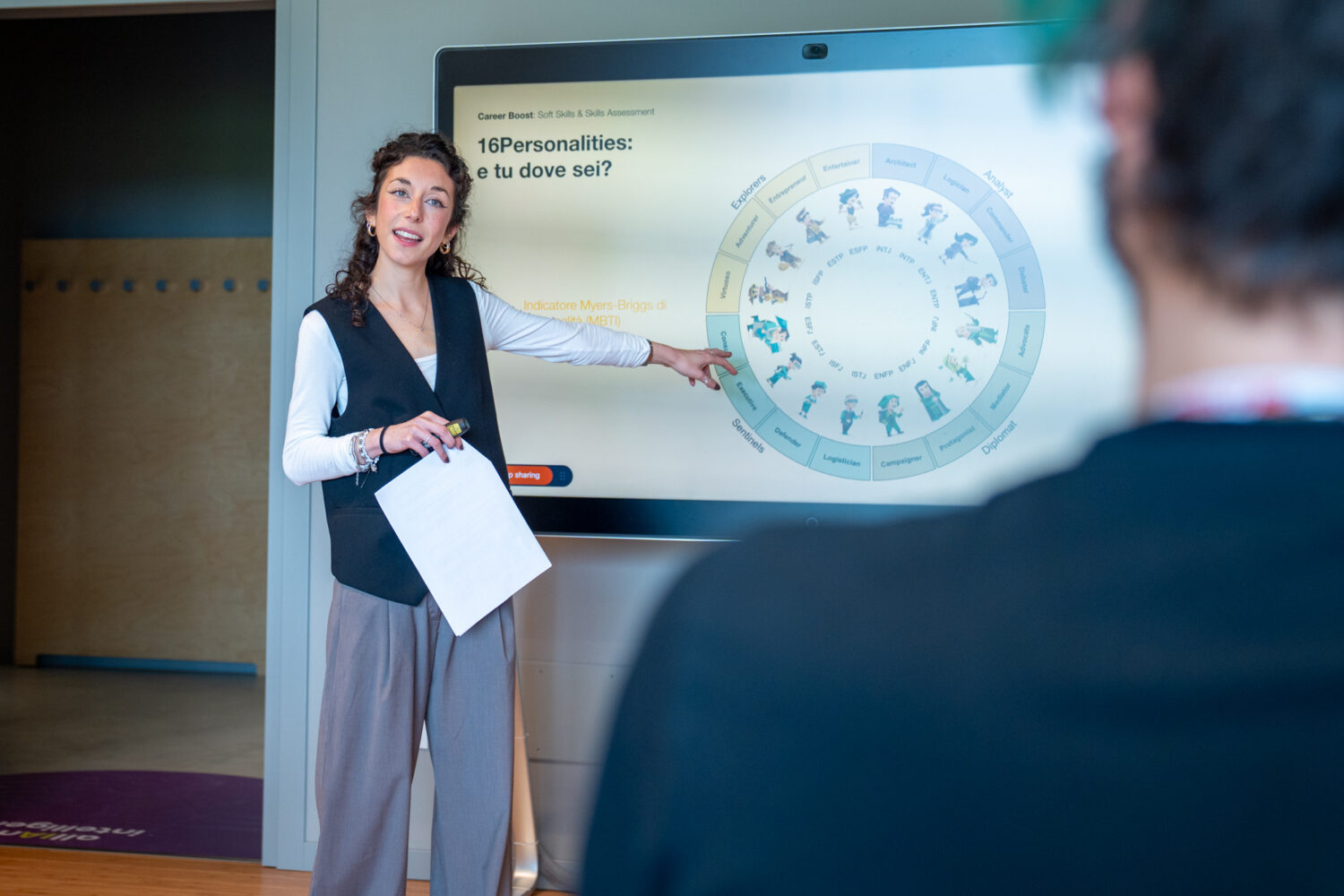
Career Boost

It consists of a series of activities focusedon professional development that will help you define your career goals and identify your strengths, with the aim of improving your communication, teamwork, and leadership skills, thereby accelerating your professional growth.

Soft skills

We believe in the value of soft skills, and in our programs we offer a structured opportunity to discuss and analyze the most in-demand soft skills today and how best to develop them by building on your own strengths.

Personal Branding

A workshop focused on using the canvas to define each student’s unique selling proposition (USP), build motivational drivers, and focus on soft skills.


Career Boost

It consists of a series of activities focusedon professional development that will help you define your career goals and identify your strengths, with the aim of improving your communication, teamwork, and leadership skills, thereby accelerating your professional growth.

Soft skills

We believe in the value of soft skills, and in our programs we offer a structured opportunity to discuss and analyze the most in-demand soft skills today and how best to develop them by building on your own strengths.

Personal Branding

A workshop focused on using the canvas to define each student’s unique selling proposition (USP), build motivational drivers, and focus on soft skills.

Finance your training

“Per Merito”loan

with Intesa Sanpaolo

“Futuriamo”loan

with BNL

Paymentin installments

with H-Farm Business School

Paymentin installments

with SeQura

SCIENTIFIC COORDINATOR

MASTER'S FACULTY

Apply for the Master's Degree in Digital Operational Excellence

Apply for the Master's Degree in Digital Operational Excellence

Frequently Asked Questions

What level of seniority or professional experience is required to access the program?

The master's program is aimed at professionals and managers with around ten years of experience who want to drive innovation and accompany change within their organizations.

Is a specific academic qualification required, or does the assessment of work experience prevail?

A university degree is not required: assessment is based on professional experience, personal motivation, and consistency of the applicant's background with the program's educational objectives.

How will my application be evaluated?

Once you have completed the application form and had an interview with our Orientation & Admission team, your results will be evaluated by the team itself.

When will I receive a response regarding my application?

You will receive feedback on your application within 3 or 4 working days of the selection interview.

How do you balance attending the program with a busy work schedule?

Face-to-face appointments will be on Friday afternoons (2:30 p.m. – 6:30 p.m.) and Saturdays (9:00 a.m. – 6:00 p.m.). If online appointments are scheduled, they will be held during the week, in the evening (6:00 p.m. – 8:00 p.m.).

What does the registration fee include and not include?

The registration fee includes all teaching activities, board and lodging for activities between the start of the first day of class and the end of the last, and all Learning Experience and Career Boost activities planned throughout the course.

What qualification/certification is awarded and how is it recognized nationally and internationally?

At the end of the course, participants will receive a diploma certifying completion of the course and a digital open badge, which can be shared on LinkedIn in the Education section as official certification of the skills acquired.

Learning Experience

Our program isn’t based on traditional lectures.
At H-FARM Business School, learning is continuous and integrated; we design comprehensive educational experiences to help you achieve your goals and foster collaboration, networking, and personal growth.

Late Night
's "Golden Hour" Speech

After class, in informal settings, you can interact with industry professionals to expand your network and create opportunities for exchange and networking.

Business cases integrated into the program

The course is not a dry list of academic concepts, but rather a continuous exploration of real-world business cases.

Project Work & Final Presentation

Many courses, especially the longer ones, include group projects that allow students to apply what they have learned in class.