
Competence Centers are the engine of H-FARM Business School's educational innovation. They function as dynamic spaces where knowledge is constantly updated through observation of global trends, state-of-the-art research and analysis of emerging competencies. Each center conducts sector research, monitoring trends and reporting changes, suggesting new directions to keep programs current and relevant. Through an ongoing dialogue with experts, industry leaders and corporate partners, they contribute to spreading innovation, enriching training content and promoting the school's values, as well as shaping offerings tailored to companies.
Drive sustainable growth of organizations through technology and accelerating innovation
Addresses and anticipates the challenges of the exponential era, effectively moving from strategy to execution
Transforms retail in the era of data and personalization of the customer experience and customer journey
Maximizes efficiency through the adoption of structured methods enhanced by the use of data and emerging technologies
“Come evolve la mia leadership quando devo guidare un’organizzazione dove le macchine prendono decisioni a velocità esponenziali?” I leader oggi non si chiedono più se l’AI cambierà il loro business, ma come riprogettare completamente modelli operativi, prodotti e servizi quando gli algoritmi generano soluzioni personalizzate in tempo reale. Il 73% dei CEO considera l’upskilling in AI la priorità assoluta, ma pochi sanno rispondere alle domande fondamentali: come si crea una value proposition quando i clienti dialogano con AI agents? Come si costruisce fiducia in ecosistemi ibridi? Il nostro Centro forma leader che non comandano più processi lineari ma orchestrano intelligenze multiple – umane e artificiali – in un mondo di cambiamenti esponenziali. Mentre Moderna fonde HR e IT anticipando il futuro, noi prepariamo chi dovrà guidare quella trasformazione. Perché il futuro appartiene ai leader che sanno dirigere sinfonie di intelligenze diverse.
Competitive dynamics in recent years have shown common features in almost all sectors: increasing volatility, just think of price fluctuation during covid and post covid; deep uncertainty for example about the effect of transformations related to available technology; increasing complexity as the context requires many interconnecting elements with multiple variables. The volume and nature of information is difficult to manage; surprising ambiguity in industry macro-trends where often The causal link is complex and unclear, very often there are no precedents and it is necessary to manage choices in new, unfamiliar contexts.
These make the competitive environment difficult to define sharply, so business adjacencies represent an important opportunity to analyze new opportunities but at the same time to understand the risks of new competitors outside one's own industry. Overlap between sectors is an increasingly current feature that will also characterize the future.
Who want to launch themselves into the business world and complement their education with cutting-edge topics and hands-on experience in close contact with great professionals.The competitive environment requires companies to significantly increase resources in terms of cost and investment in the face of high risk of non-performance. Companies therefore are forced to redundant resources to mitigate the risks of volatility, invest in business analysis to reduce the uncertainty of decisions; develop appropriate skills useful in resolving complexity; and invest on analysis of possible scenarios to address the ambiguity present in both long-term but also short/medium-term business decisions. The main effects are shown on the ability to develop professionals capable of learning new, very specialized skills but to be able to show transversality in the application of their knowledge, in some cases to be applied in new business situations. So, a new and suitable mindset and approach is required to face the new professional challenges involving management at all levels especially those with high seniority.
The Strategy and Leadership Competence Center offers a training proposal at any level of seniority, where the focus is to develop an approach that allows for the best possible enhancement of the specific skills needed to drive business choices but also to foster the practice of an approach that allows for an exchange between seniority and different skill levels. In fact, the acquisition of specific skills often requires the entry of very technical younger resources who require more careful management so that they are in a position to make their best contribution and are involved and participate in the company's objectives. The need for skills upgrading appears to be increasingly frequent and requires a level of cross-functional collaboration within the company. In fact, making full use to the best of the technology already available requires a mature view of the company's business processes, but at the same time technical skills for management. So, having the ability to innovate, very often rethinking new business models to react to change in one's market rapidly.
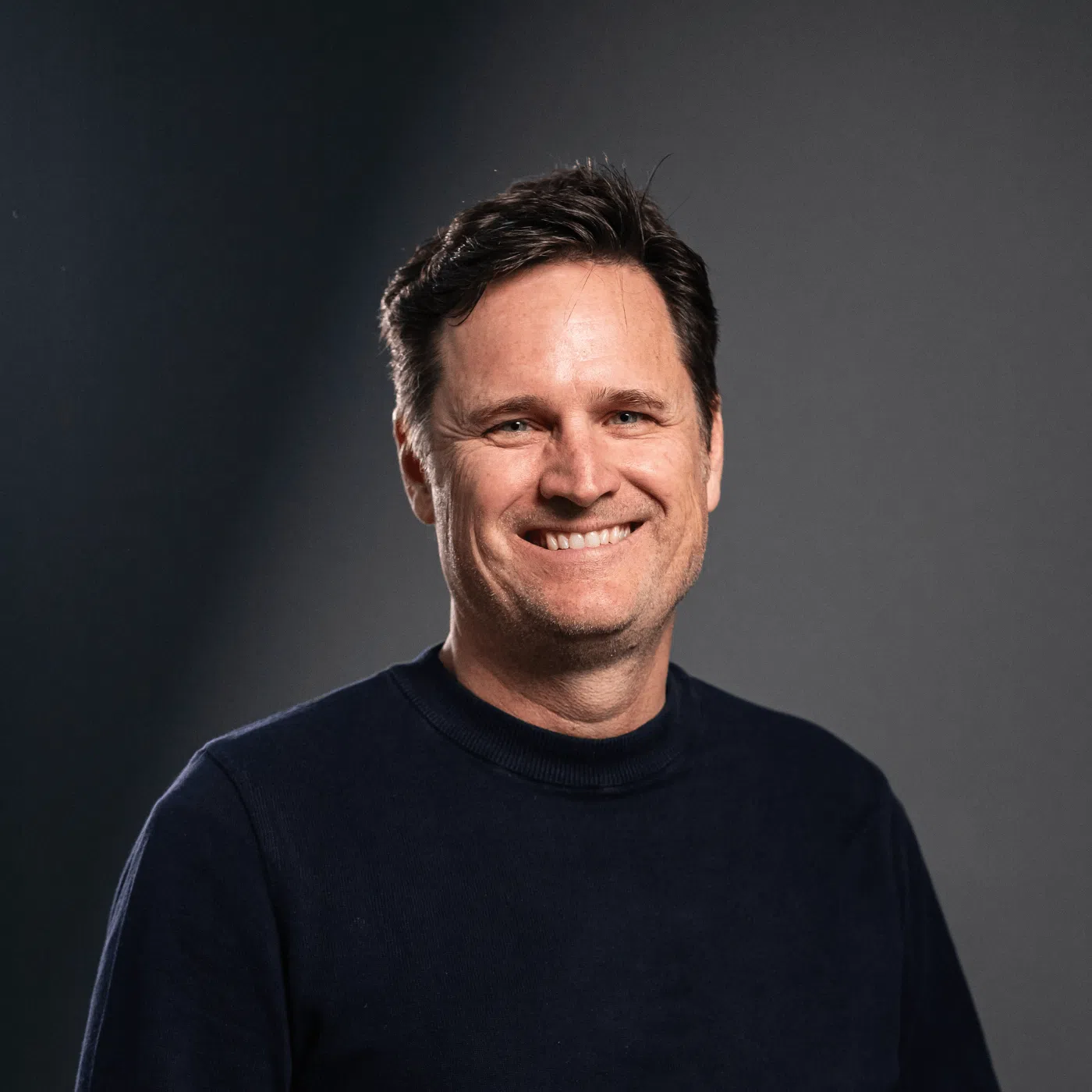
Chief Executive | Expert in corporate transformation projects - Growth, IPO, M&A, Turnaround | Forbes 100 top managers | Independent Director
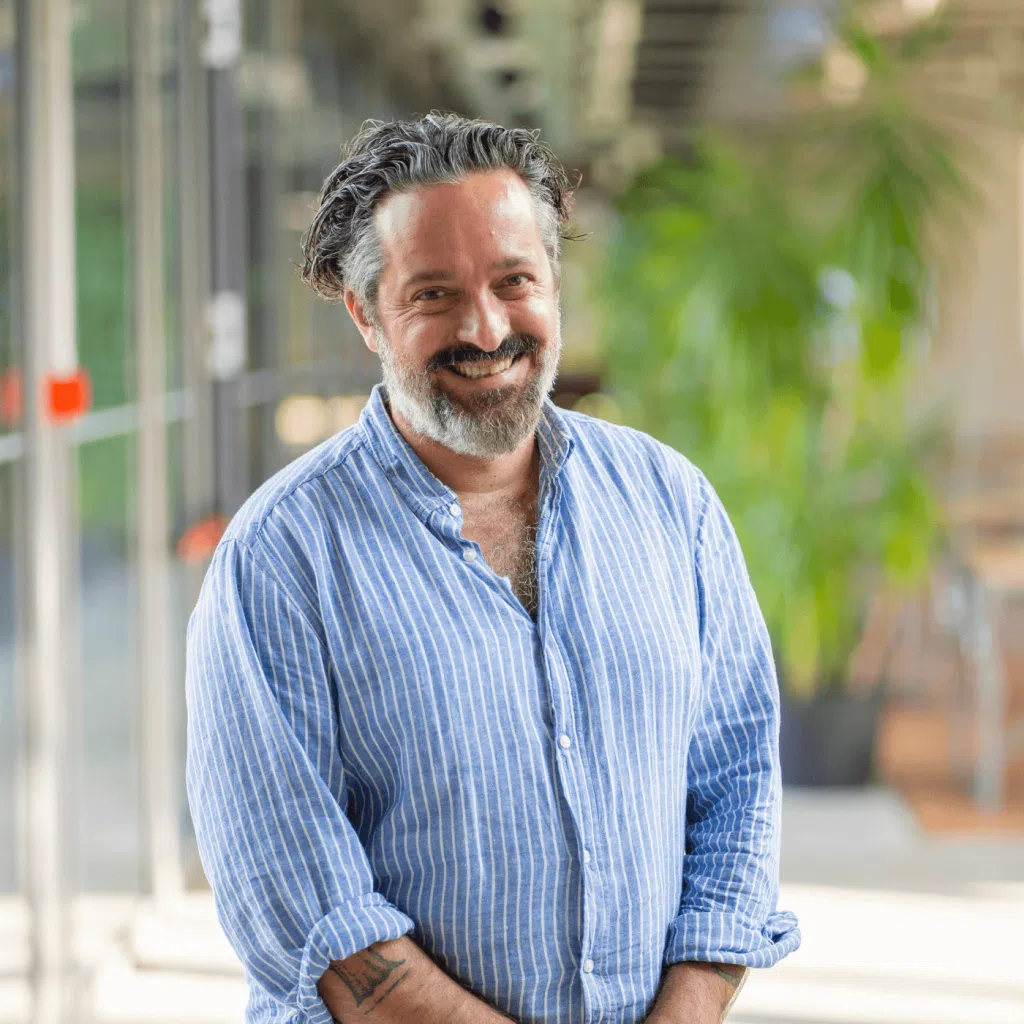
15 years at Bulgari, now at Tiffany, leading the integration of digital and physical channels, helping to position the brand as a leader in omnichannel in the luxury industry.
Il 23% del B2B sarà completamente automatizzato entro il 2027. Immagina l’AI di Tesla che negozia direttamente con l’AI di un fornitore in millisecondi. Non stiamo più preparando professionisti per vendere agli umani, ma per competere in mercati dove anche i clienti sono algoritmi. Il nostro Centro forma i nuovi “Algorithm Whisperers” – esperti che sanno orchestrare ecosistemi commerciali ibridi, progettare strategie omnichannel per agenti intelligenti e trasformare la vendita tradizionale in Algorithm Seduction. Mentre in Italia solo l’8% delle imprese ha integrato l’AI (contro il 20% europeo), noi prepariamo i leader per il commercio post-umano. Perché il futuro appartiene a chi sa vendere alle macchine quanto agli umani.
International trade-which is constantly evolving-continues to highlight and bring to light new trends that require specific market adaptations that can respond to economic, technological, structural and organizational changes.
Accelerating digitization, growth of emerging markets, artificial intelligence and automation, geographic diversification, sustainability and corporate social responsibility emerge as the main comparison assets for companies involved in global commerce processes.
In today's global landscape, some fast-growing markets offer new opportunities for Italian companies, which must be ready to adapt in terms of technology, language and organization. A physical presence is not enough; it is essential to acquire operational, structural and legal skills to activate strategic partnerships and adapt products and eCommerce to local needs.
The introduction of Artificial Intelligence is revolutionizing old approaches, promoting a new vision capable of optimizing operational efficiency, reducing costs and offering innovative products and services. From personalization to supply chain management, AI and automation offer multiple opportunities for companies targeting the international market.
In the context of continuous change, training becomes essential to support professionals and companies in acquiring skills in line with market trends and understanding the new competitive scenarios of eCommerce. The Global Commerce and Omnichannel Competence Center aims to:
Non è più “Dove posso usare l’AI?” ma “Dove NON posso usarla?” Siemens ha fabbriche dove l’AI prende il 78% delle decisioni operative in tempo reale. Revolut blocca truffe per 550 milioni di euro in millisecondi. L’era delle “Autonomous Operations” è qui, e chi non inverte la prova – assumendo l’AI come default e cercando solo le eccezioni umane – resterà indietro. Il nostro Centro forma i “Decision Architects” del futuro: professionisti che non comandano più processi lineari ma orchestrano ecosistemi ibridi dove l’AI ottimizza e l’uomo definisce i valori. Mentre le aziende italiane faticano ancora con il gap digitale, noi prepariamo leader per un mondo dove ogni decisione operativa sarà amplificata dall’intelligenza artificiale. Perché il futuro appartiene a chi sa quando cedere il controllo alle macchine – e quando riprenderlo.
The global competitive landscape has been irreversibly transformed by unpredictable events such as the COVID-19 pandemic and the blockade of the Suez Canal in 2021, disrupting 12 percent of global trade. The pandemic highlighted the vulnerabilities of global supply chains, forcing companies to review their operating models and invest in more flexible and resilient solutions. For example, many companies have opted for nearshoring strategies to reduce dependence on distant suppliers. Digital technologies, such as artificial intelligence and predictive systems, have proven essential for predicting and mitigating operational disruptions. The ability to adapt to rapidly changing environments has become a key competitive lever.
The world of work is rapidly changing and requires not only new skills, but also a new mindset geared toward continuous learning and adaptability. In addition to mastery of emerging technologies, professionals of the future will need to be able to apply a scientific method to problem solving and have strategic vision. An illuminating example is the mining sector: Rio Tinto, through the use of autonomous trucks in its operations in Australia, has reduced costs by 15 percent while improving safety and efficiency. Similarly, the retail sector has seen giants such as Inditex (Zara) use predictive inventory management technologies to reduce obsolete stock by 20 percent, demonstrating how data analytics and automation are indispensable. However, these tools require a methodical approach and an open mindset to innovation.
H-FARM Business School's Center of Competence for Digital Operational Excellence responds to these changes with a high-level educational proposal that combines theory, practice and a strong focus on innovation. The Executive Master in Global Operational Excellence with AI & Emerging Technologies is a concrete example of how our school prepares professionals to manage the complexities of the global operational environment, with a focus on artificial intelligence and emerging technologies. Through this program, participants develop practical skills in managing innovation, optimizing processes and adopting digital solutions. We train leaders capable of adapting to rapid market changes, applying advanced solutions such as process mining, automation and operational resilience management. A practical example is our collaboration with companies in the manufacturing sector that have reduced downtime by 30 percent through artificial intelligence platforms.
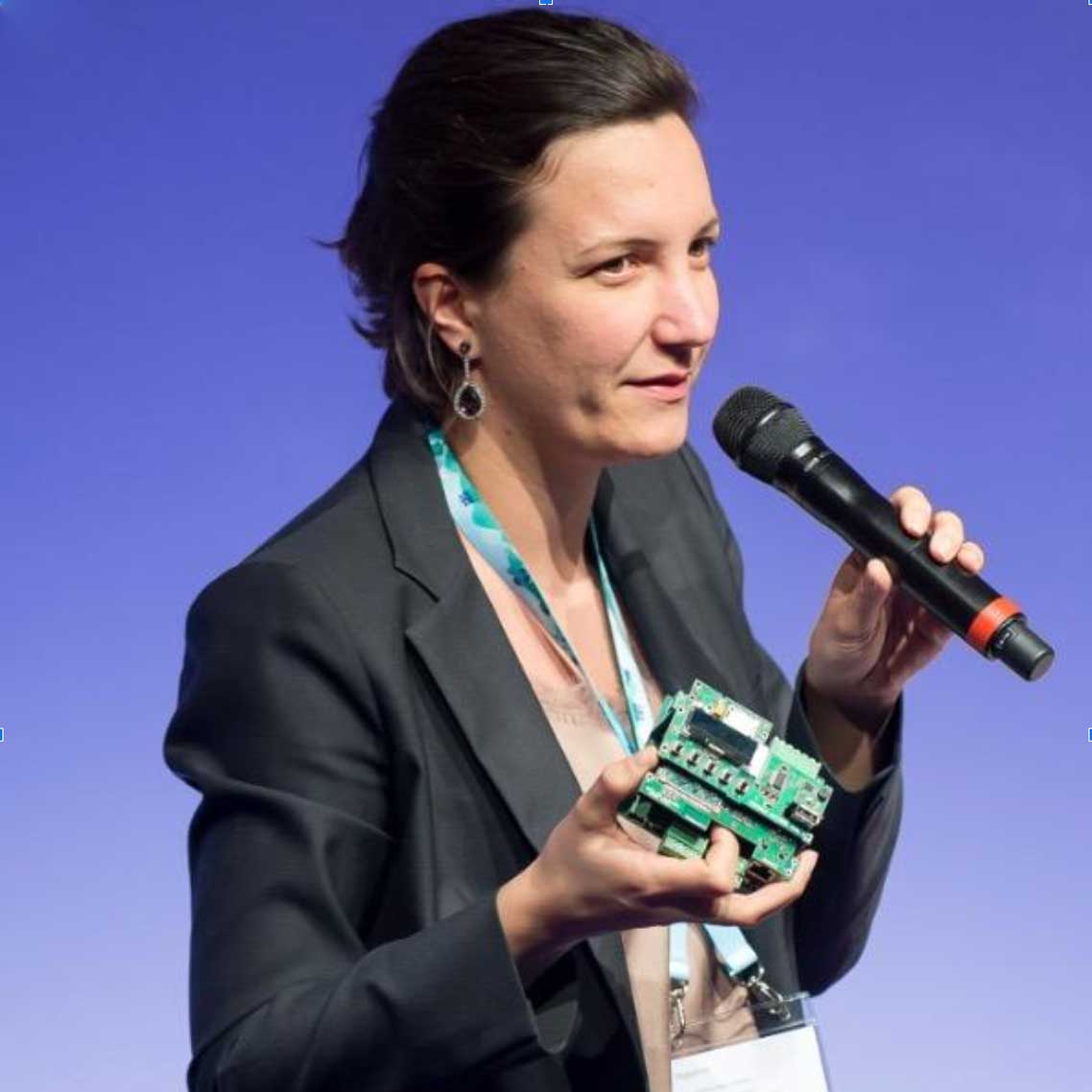
Certified Master Black Belt, 20 million of Euro annual savings through process improvement projects.
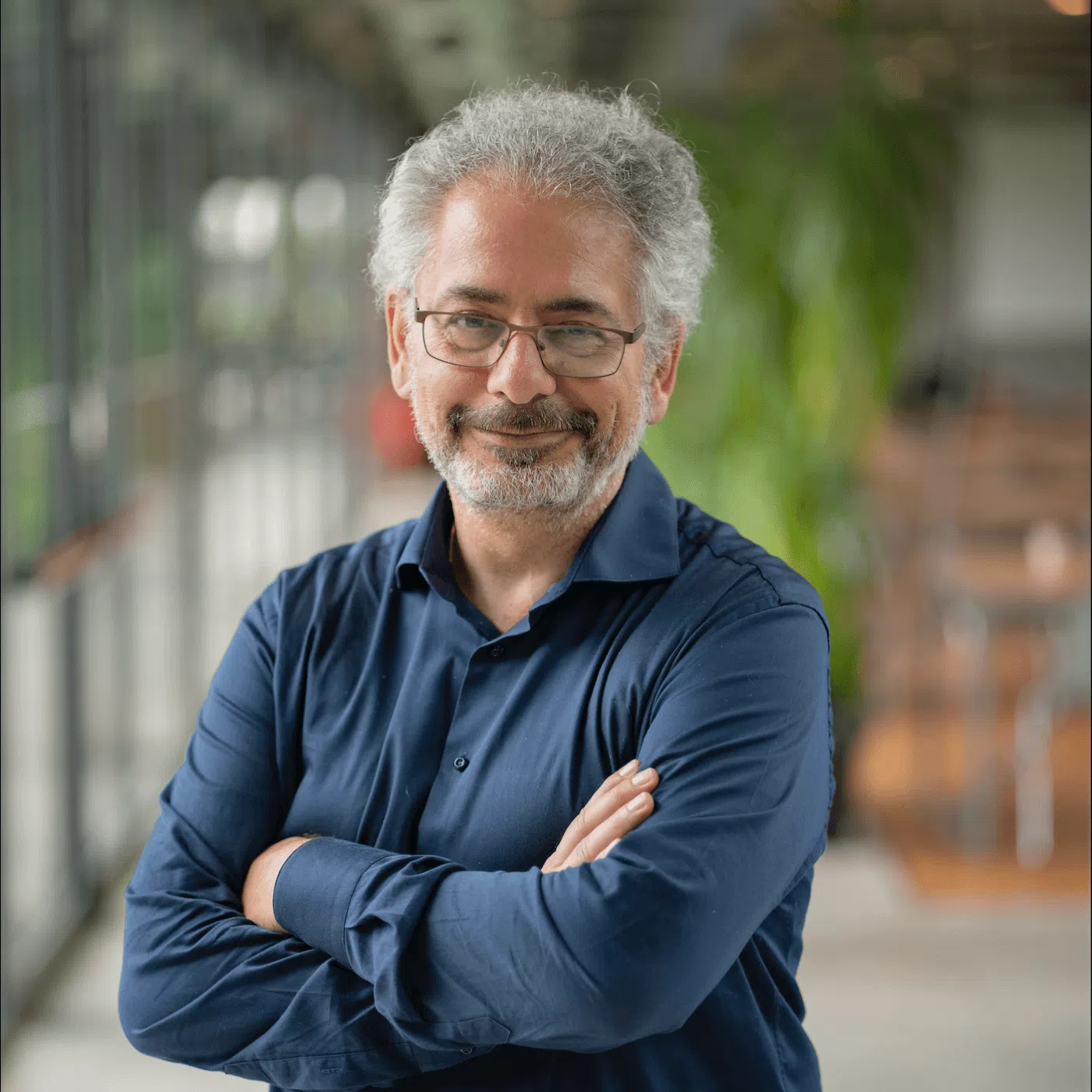
Timothy Sean O'Connell is a pioneer in the European startup scene, with a career as a serial entrepreneur, investor and educator.
Il 90% dei progetti di innovazione aziendale fallisce. Non per mancanza di idee, ma perché nascono già obsoleti in un mondo che cambia a velocità esponenziali. Mentre le aziende investono milioni in “innovation labs” che producono prototipi mai scalati, le startup ibride – quelle che nascono già orchestrando umani e AI – raccolgono capitali record. Il nostro Centro non forma innovatori tradizionali ma “Innovation Orchestrators” – professionisti che sanno quando l’AI può accelerare l’innovazione e quando l’intelligenza umana è insostituibile. Mentre l’Italia arranca nell’adozione AI (8% vs 20% europeo), noi formiamo chi creerà le startup e le corporate ventures del futuro ibrido. Perché l’innovazione di successo non nasce dalle macchine o dagli umani, ma dalla loro sinfonia perfetta.
Today, businesses face a competitive environment defined by global macro trends and technological revolutions that transform the way they operate and create value. Innovations in AI, quantum computing, biomedicine, nanotechnology, materials science, and life sciences are reshaping industry ecosystems, influencing business models and global competitiveness.AI is revolutionizing data analysis and business decisions, while quantum computing promises new computational frontiers. Biotechnology and nanotechnology impact sectors such as healthcare and sustainable energy. This technological convergence requires companies to review innovation strategies, skills, and organizational models to remain competitive in a rapidly changing landscape.
The future of work is not only driven by emerging technologies, but by the cognitive and organizational transformations that come with them. Artificial intelligence (AI) is reshaping the human role, requiring new mental and organizational approaches. Traditional hierarchical structures are giving way to flexible and decentralized models, such as networked organizations, to respond to increasing complexity and innovation. On the human side, the shift from a fixed mindset to a growth mindset becomes crucial: skills must be constantly updated, promoting continuous learning. AI and automation transform traditional roles, but they also create new opportunities in areas that require critical thinking, creativity, and problem-solving. Not only technical skills, but also soft skills are critical to meet future challenges, with an increased focus on collaboration, innovation, and using AI as a tool to amplify human capabilities.
The Competence Center on ENTREPRENEURSHIP & CORPORATE INNOVATION at H-Farm Business School responds to the needs of the business world by offering integrated continuing education and business consulting. It provides specialized programs that combine advanced technical skills and soft skills development, preparing businesses and professionals for emerging technologies such as AI, quantum computing, biotechnology and nanotechnology. Working with technology partners and international academic institutions, the Center offers tailor-made solutions for each enterprise, helping it to sustainably integrate emerging technologies into its strategies. It also serves as a reference point for the development of innovative business strategies, supporting companies in digital transformation through new organizational methodologies and business models, making them more resilient and ready to face future challenges.
Competence Centers are the engine of H-FARM Business School's educational innovation. They function as dynamic spaces where knowledge is constantly updated through observation of global trends, state-of-the-art research and analysis of emerging competencies. Each center conducts sector research, monitoring trends and reporting changes, suggesting new directions to keep programs current and relevant. Through an ongoing dialogue with experts, industry leaders and corporate partners, they contribute to spreading innovation, enriching training content and promoting the school's values, as well as shaping offerings tailored to companies.
In a market where volatility, uncertainty, and complexity are the new normal, the Center of Expertise in Strategy & Leadership trains leaders who can innovate, drive change, and leverage technology to transform business models. We offer cross-disciplinary pathways that combine strategic vision, technical expertise and collaborative leadership, bridging generations, functions and skills. An ecosystem where agile minds are developed, ready to make quick decisions and generate value in changing contexts.
Competitive dynamics in recent years have shown common features in almost all sectors: increasing volatility, just think of price fluctuation during covid and post covid; deep uncertainty for example about the effect of transformations related to available technology; increasing complexity as the context requires many interconnecting elements with multiple variables. The volume and nature of information is difficult to manage; surprising ambiguity in industry macro-trends where often The causal link is complex and unclear, very often there are no precedents and it is necessary to manage choices in new, unfamiliar contexts.
These make the competitive environment difficult to define sharply, so business adjacencies represent an important opportunity to analyze new opportunities but at the same time to understand the risks of new competitors outside one's own industry. Overlap between sectors is an increasingly current feature that will also characterize the future.
Who want to launch themselves into the business world and complement their education with cutting-edge topics and hands-on experience in close contact with great professionals.The competitive environment requires companies to significantly increase resources in terms of cost and investment in the face of high risk of non-performance. Companies therefore are forced to redundant resources to mitigate the risks of volatility, invest in business analysis to reduce the uncertainty of decisions; develop appropriate skills useful in resolving complexity; and invest on analysis of possible scenarios to address the ambiguity present in both long-term but also short/medium-term business decisions. The main effects are shown on the ability to develop professionals capable of learning new, very specialized skills but to be able to show transversality in the application of their knowledge, in some cases to be applied in new business situations. So, a new and suitable mindset and approach is required to face the new professional challenges involving management at all levels especially those with high seniority.
The Strategy and Leadership Competence Center offers a training proposal at any level of seniority, where the focus is to develop an approach that allows for the best possible enhancement of the specific skills needed to drive business choices but also to foster the practice of an approach that allows for an exchange between seniority and different skill levels. In fact, the acquisition of specific skills often requires the entry of very technical younger resources who require more careful management so that they are in a position to make their best contribution and are involved and participate in the company's objectives. The need for skills upgrading appears to be increasingly frequent and requires a level of cross-functional collaboration within the company. In fact, making full use to the best of the technology already available requires a mature view of the company's business processes, but at the same time technical skills for management. So, having the ability to innovate, very often rethinking new business models to react to change in one's market rapidly.
Chief Executive | Expert in corporate transformation projects - Growth, IPO, M&A, Turnaround | Forbes 100 top managers | Independent Director
In a world where AI, digitization, sustainability and new emerging markets are transforming global commerce, businesses must rethink strategies, channels and operating models. The Center of Expertise in Global Commerce & Omnichannel trains professionals capable of integrating physical and digital, global and local, technology and customer experience. We offer pathways that combine theory and practice, innovation and operations, to prepare leaders and teams to navigate complex markets, adapt products and processes, build international partnerships, and leverage omnichannel as a competitive lever. A dynamic hub where skills are transformed into concrete actions to compete and grow on a global scale.
International trade-which is constantly evolving-continues to highlight and bring to light new trends that require specific market adaptations that can respond to economic, technological, structural and organizational changes.
Accelerating digitization, growth of emerging markets, artificial intelligence and automation, geographic diversification, sustainability and corporate social responsibility emerge as the main comparison assets for companies involved in global commerce processes.
In today's global landscape, some fast-growing markets offer new opportunities for Italian companies, which must be ready to adapt in terms of technology, language and organization. A physical presence is not enough; it is essential to acquire operational, structural and legal skills to activate strategic partnerships and adapt products and eCommerce to local needs.
The introduction of Artificial Intelligence is revolutionizing old approaches, promoting a new vision capable of optimizing operational efficiency, reducing costs and offering innovative products and services. From personalization to supply chain management, AI and automation offer multiple opportunities for companies targeting the international market.
In the context of continuous change, training becomes essential to support professionals and companies in acquiring skills in line with market trends and understanding the new competitive scenarios of eCommerce. The Global Commerce and Omnichannel Competence Center aims to:
15 years at Bulgari, now at Tiffany, leading the integration of digital and physical channels, helping to position the brand as a leader in omnichannel in the luxury industry.
In a world marked by global shocks and fragile supply chains, operational agility and technological innovation have become crucial levers for competitiveness. H-FARM Business School's Center of Competence in Digital Operational Excellence prepares leaders and professionals to manage complexity and uncertainty through AI, automation and emerging technologies, turning challenges into strategic opportunities. A learning hub where technology meets strategy, to shape leaders ready to face the future of work with an adaptive, scientific and action-oriented mindset.
The global competitive landscape has been irreversibly transformed by unpredictable events such as the COVID-19 pandemic and the blockade of the Suez Canal in 2021, disrupting 12 percent of global trade. The pandemic highlighted the vulnerabilities of global supply chains, forcing companies to review their operating models and invest in more flexible and resilient solutions. For example, many companies have opted for nearshoring strategies to reduce dependence on distant suppliers. Digital technologies, such as artificial intelligence and predictive systems, have proven essential for predicting and mitigating operational disruptions. The ability to adapt to rapidly changing environments has become a key competitive lever.
The world of work is rapidly changing and requires not only new skills, but also a new mindset geared toward continuous learning and adaptability. In addition to mastery of emerging technologies, professionals of the future will need to be able to apply a scientific method to problem solving and have strategic vision. An illuminating example is the mining sector: Rio Tinto, through the use of autonomous trucks in its operations in Australia, has reduced costs by 15 percent while improving safety and efficiency. Similarly, the retail sector has seen giants such as Inditex (Zara) use predictive inventory management technologies to reduce obsolete stock by 20 percent, demonstrating how data analytics and automation are indispensable. However, these tools require a methodical approach and an open mindset to innovation.
H-FARM Business School's Center of Competence for Digital Operational Excellence responds to these changes with a high-level educational proposal that combines theory, practice and a strong focus on innovation. The Executive Master in Global Operational Excellence with AI & Emerging Technologies is a concrete example of how our school prepares professionals to manage the complexities of the global operational environment, with a focus on artificial intelligence and emerging technologies. Through this program, participants develop practical skills in managing innovation, optimizing processes and adopting digital solutions. We train leaders capable of adapting to rapid market changes, applying advanced solutions such as process mining, automation and operational resilience management. A practical example is our collaboration with companies in the manufacturing sector that have reduced downtime by 30 percent through artificial intelligence platforms.
Certified Master Black Belt, 20 million of Euro annual savings through process improvement projects.
In a world shaped by AI, quantum computing, biotechnology and nanotechnology, companies must rethink strategies, organizational models and skills to remain competitive. H-FARM Business School's Center of Expertise in Emerging Technologies & Methodologies guides companies and professionals in integrating emerging technologies through pathways that combine advanced technical training, soft skills development and customized strategic consulting. A knowledge and experimentation hub that promotes continuous learning, open mindset to change and organizational innovation, preparing leaders and teams to navigate complexity and seize the opportunities of digital transformation.
Today, businesses face a competitive environment defined by global macro trends and technological revolutions that transform the way they operate and create value. Innovations in AI, quantum computing, biomedicine, nanotechnology, materials science, and life sciences are reshaping industry ecosystems, influencing business models and global competitiveness.AI is revolutionizing data analysis and business decisions, while quantum computing promises new computational frontiers. Biotechnology and nanotechnology impact sectors such as healthcare and sustainable energy. This technological convergence requires companies to review innovation strategies, skills, and organizational models to remain competitive in a rapidly changing landscape.
The future of work is not only driven by emerging technologies, but by the cognitive and organizational transformations that come with them. Artificial intelligence (AI) is reshaping the human role, requiring new mental and organizational approaches. Traditional hierarchical structures are giving way to flexible and decentralized models, such as networked organizations, to respond to increasing complexity and innovation. On the human side, the shift from a fixed mindset to a growth mindset becomes crucial: skills must be constantly updated, promoting continuous learning. AI and automation transform traditional roles, but they also create new opportunities in areas that require critical thinking, creativity, and problem-solving. Not only technical skills, but also soft skills are critical to meet future challenges, with an increased focus on collaboration, innovation, and using AI as a tool to amplify human capabilities.
The Competence Center on ENTREPRENEURSHIP & CORPORATE INNOVATION at H-Farm Business School responds to the needs of the business world by offering integrated continuing education and business consulting. It provides specialized programs that combine advanced technical skills and soft skills development, preparing businesses and professionals for emerging technologies such as AI, quantum computing, biotechnology and nanotechnology. Working with technology partners and international academic institutions, the Center offers tailor-made solutions for each enterprise, helping it to sustainably integrate emerging technologies into its strategies. It also serves as a reference point for the development of innovative business strategies, supporting companies in digital transformation through new organizational methodologies and business models, making them more resilient and ready to face future challenges.
Timothy Sean O'Connell is a pioneer in the European startup scene, with a career as a serial entrepreneur, investor and educator.