













Zone 01
Full Power of Attorney
Repeatable, reversible, low-cost, and high-frequency.
Who Decides
The system. Humans design the rules.
The Check
Statistical monitoring of the decision population, not a case-by-case review.


Twenty-five professionals, eleven disciplines, in their own words.
“The algorithm decided—it’s not my fault”: when a purchase is dictated by data, the person making it has a ready-made alibi.
Marco Fassone
Sports executive, former CEO of AC Milan, and executive at Juventus, Napoli, and Inter
Data can become an important partner for a leader who is often left to make decisions alone.
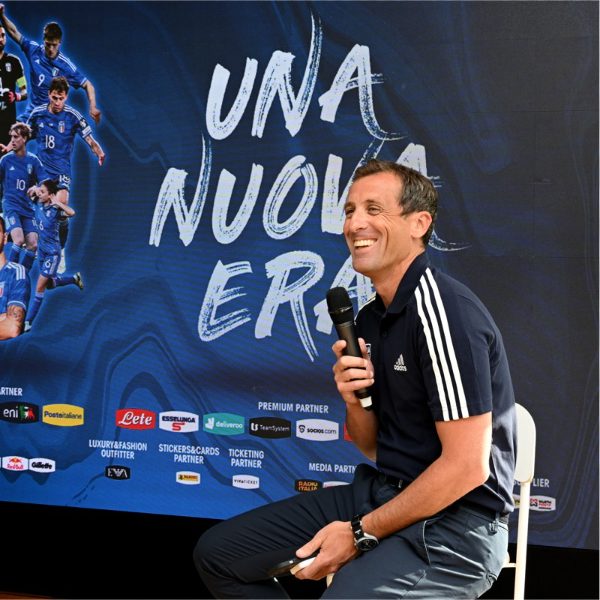
Giorgio Chiellini
Former soccer player and Director of Football Strategy at Juventus
The weight of the decision: 40% based on data, 60% based on experience and intuition.
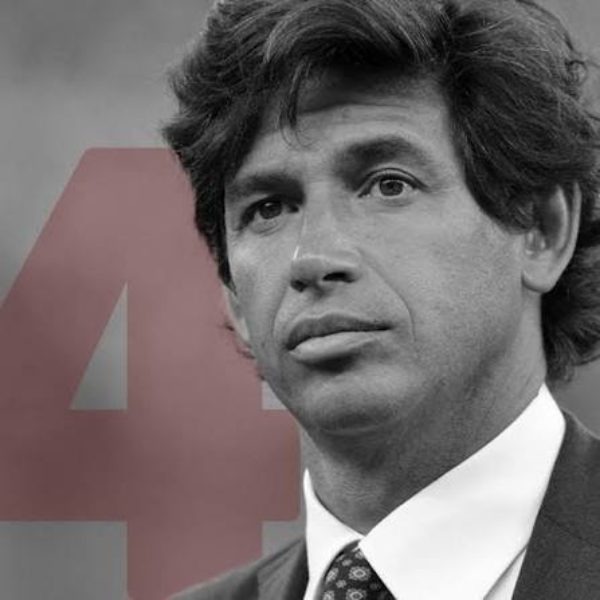
Demetrio Albertini
Former soccer player and former President of the FIGC Technical Department
"Data is impersonal: it can tell you what's happening, but it doesn't always tell you why."
Lorenzo Bernardi
Coach and former volleyball player
"If we were to train and live solely on data, we would become robots."
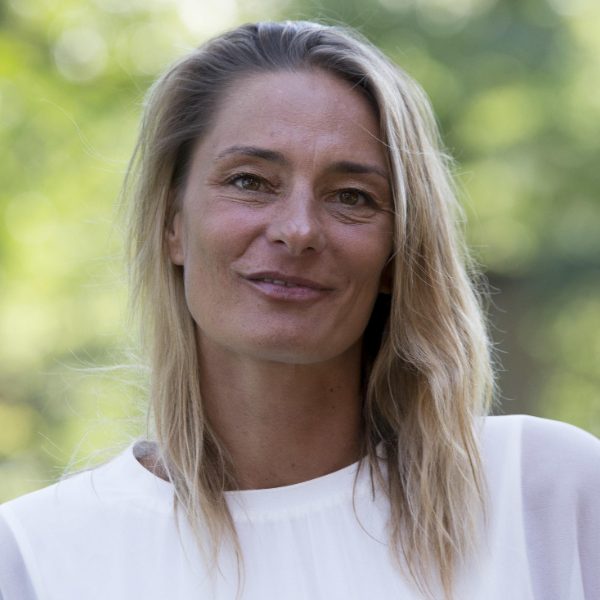
Maurizia Cacciatori
Former volleyball player and commentator
"I can make the best decision to get past an opponent, but that doesn't necessarily mean I'll score."
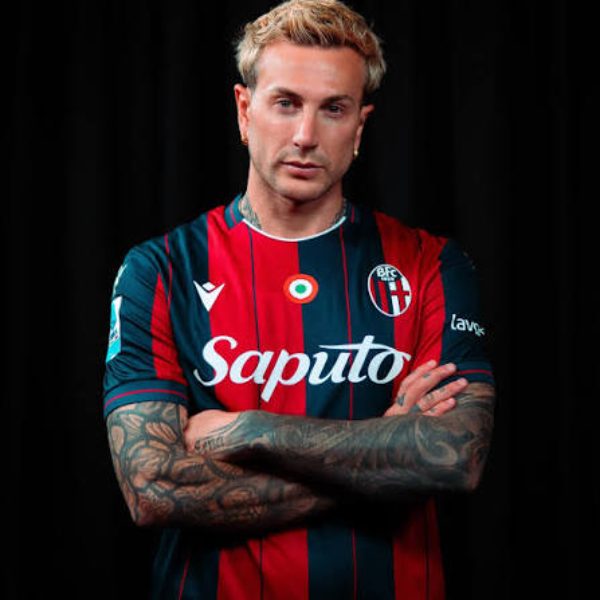
Federico Bernardeschi
Professional soccer player
When the game starts, “let the numbers speak for themselves”: in moments of intense pressure, the best decision-maker doesn’t think—he reacts.
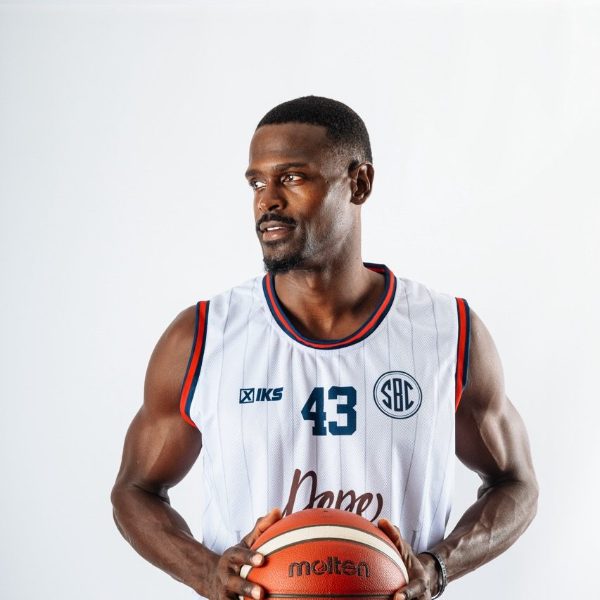
Linton Johnson
Former NBA basketball player
“People often look for a scientific excuse to blame the numbers [...], but the truth was much simpler: we were just tired.”
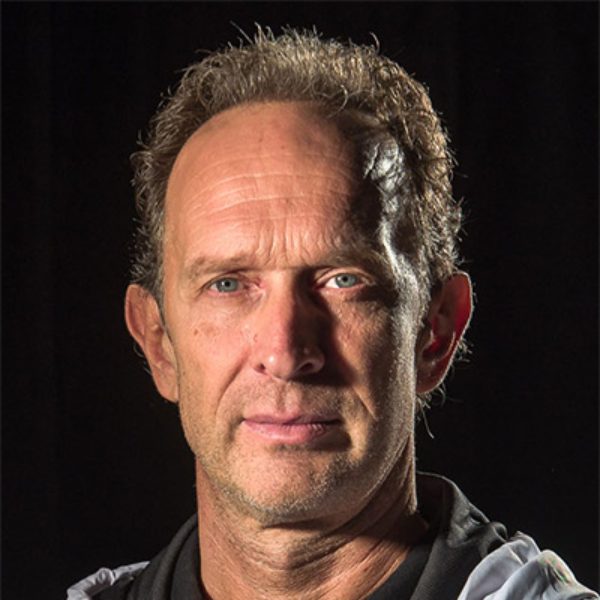
Romano Battisti
Former Olympic rower, Luna Rossa
“There are games where I completely agree with the stats, others where I agree 15–20%; over the course of a season, maybe 50%.”
Michele Aragona
Match Analyst, Ipswich Town, Premier League
"If math isn't a matter of opinion, the fastest boat should always win. But that doesn't happen, because the outcome also depends on the people."
Gilberto Nobili
Director of Technology and Operations, Luna Rossa
"I'd rather have a model with a 5% margin of error that's predictive than one that's 1% accurate but unable to respond to reality."
Marco Arnoletti
Chief Powertrain Engineer, Bugatti Rimac
The estimator is considered more reliable than the sensor because it does not break or drift.
Marco Ricci Malerbi
Junior Track Performance Engineer, Dallara
"AI should serve to challenge our beliefs, not to confirm them."
Marco Spiga
Volvo executive and sports executive
"The players on the field always have the final say, because they're the ones living in the moment."
Giovanbattista Venditti
Former rugby player, Italian national team member
The decision to climb back up “is entirely up to the athlete: it cannot be delegated to a device.”
Umberto Pelizzari
Freediver and TV host
"The natural instinct is to move, but you have to be trained to stay still."
Angel Osakue
Skeleton athlete, Italian national winter sports team
"What the data can't capture is what really matters: the sensations on the platform [...]".
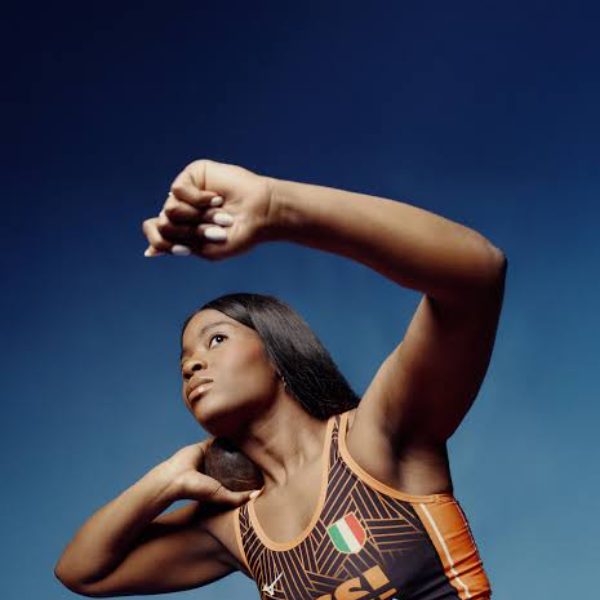
Danielle Madam
Shot put athlete, member of the Italian national team
If the technology fails, the “programmed” person can no longer act on instinct.
Stefano Mancinelli
Former professional basketball player
"The risk is standardization: if everyone uses the same models, everyone starts producing the same ideas."
Giovanni Valentini
Chief Revenue and Marketing Officer of the FIGC
"AI works like a funnel: you start with a thousand profiles and end up with twenty; then you need to conduct a qualitative analysis."
Domenico Mattiaccia
Head of Academy Methodology and Player Development
"When something is too specific, sometimes it's faster for me to just do it myself than to correct the AI."
Alberto Melis
Sports Marketing and Communication, Esperia Cagliari, and Innoversity Sport
Constant monitoring causes significant psychological stress for the athlete.
Alessandro Rinaldi
Mental coach, basketball
Even when we delegate the decision to a machine, responsibility does not disappear: it shifts to the design of the system and the monitoring of its outcomes.
Andrea Rinaldi
Freestyle Race Director, International Ski Federation
The danger isn't that AI will make mistakes, but that everyone will rely on the same AI and stop questioning the data.
Lorenzo Iannarilli
Project Manager; expert in innovation, AI, and digital transformation
AI creates alternative simulations and indicates which is more likely and which is riskier, without specifying which is the right choice.
Pietro Parente
Innovative Technologies and Processes: LUMSA University, CONI’s Advanced School of Olympic Specialization
Who prevails, step by step. The algorithm's authority diminishes as the decision moves closer to action.
Observe
observe
Orient
guide
Decides
decide
Act
to act
174 coded statements: 31 in Observe, 69 in Orient, 64 in Decide, 10 in Act. Orders of magnitude, not measurements. Cells with a reduced base are the least stable.
The percentage of statements in which AI prevails across the four phases.
Risks raised spontaneously, without being asked. Out of 25 respondents.
Context that cannot be encoded by a machine
7
Overconfidence, black box
5
Atrophy of intuition, deskilling
5
Standardization, Loss of Creativity
4
Ambiguity regarding accountability, excuses
3
Psychological pressure, burnout
2
How repeatable is the error, how reversible is it, and how long does it last? These three questions underpin every recurring decision.
Zone 01
Repeatable, reversible, low-cost, and high-frequency.
Who Decides
The system. Humans design the rules.
The Check
Statistical monitoring of the decision population, not a case-by-case review.
Zone 02
Partially repeatable; the error is correctable but costly.
Who Decides
A person who must provide a reason when deviating from the rule.
The Check
Recording recommendations, decisions, and deviations: this is the foundation of feedback that the company lacks.
Zone 03
Rare or irreversible; unspecified context.
Who Decides
Whoever bears the consequences.
The Check
AI does not make recommendations: it tests the hypothesis and generates the worst-case scenario.
01
When every performance metric is tracked, falling short of the target becomes indefensible, and hiding behind it doesn't work.
02
In competition judging, AI wins not because it is more accurate, but because it is consistent: in a ranking, a systematic error cancels itself out, but a random error does not.
03
It becomes reliable only when immediate feedback corrects it over the course of years. In sports, this happens in every competition; in business, it almost never does.
04
Choose instinctively and then select the numbers that justify that choice. Almost no one recognizes this as a mistake, because the result looks like an analysis.
The full report
Research conducted by the Strategy & Leadership Competence Center at H-FARM Business School.